
About The Author
Thousands of mid-noughties Astras, Vectras and Signums have been ordered off the road as the motor industry’s longest-running safety saga catches up with Britain’s most stubborn workhorses. Here is the engineering reality behind the headlines—and how to get yours sorted for free.
There is a particular brand of mechanical immortality reserved for the mid-2000s Vauxhall. Long after more prestigious German contemporaries have surrendered to ruinous timing-chain bills or terminal electronics gremlins, a 2007 Vectra SRi or a mildly battle-scarred Astravan will still be out there in the Tuesday morning drizzle—starting on the first turn of the key, hauling tools and tip runs without complaint, and asking for little more than an annual splash of 10W-40.
Ironically, it is that very refusal to die that has placed thousands of these dependable old workhorses at the centre of an urgent safety directive.
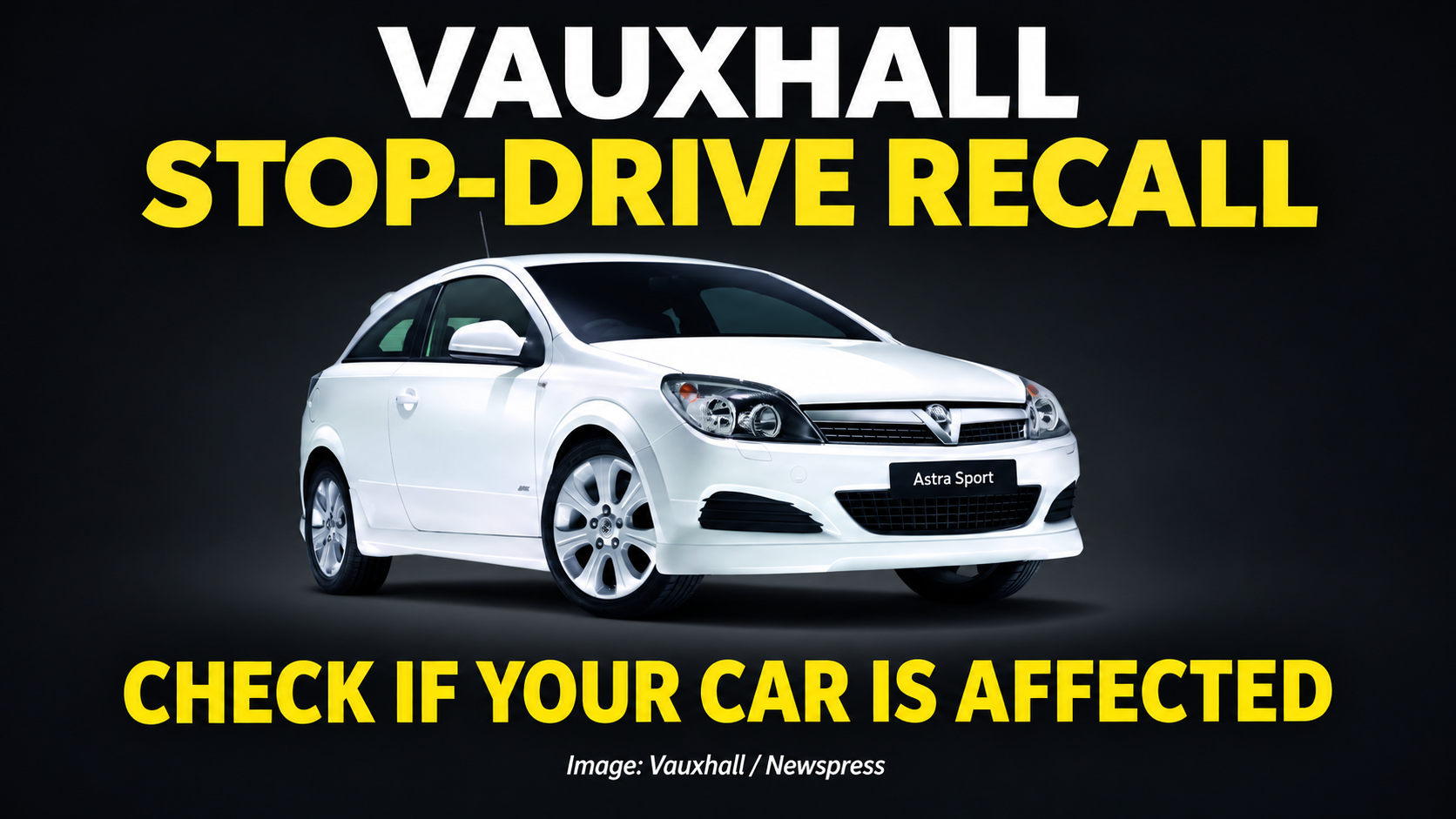
Stellantis UK has escalated an existing safety recall into a formal ‘Stop-Drive’ notice (campaign code KU3) for specific Vauxhall models built primarily between the mid-2000s and the mid-2010s. For owners of affected cars, the instruction from Luton is unequivocal: cease driving the vehicle as soon as it is safe to do so, and book it into an authorised Vauxhall repairer for a free airbag replacement.
Predictably, parts of the general press have greeted this news with their customary restraint, bellowing that 82,000 motorists face an instant £2,500 fine and a driving ban the moment they look at their keys. The reality—both under the bonnet and under the law—is rather more nuanced, and vital to understand if one of these cars is currently parked outside your house.
The Chemistry Problem: Why Are Older Cars Being Grounded Now?
To understand why an eighteen-year-old Signum has suddenly become a top priority for Stellantis’s safety engineers, you need to look inside the steering wheel boss.
The recall targets airbag inflators produced by the now-defunct Japanese supplier Takata—the source of the largest automotive safety campaign in history, which has engulfed tens of millions of cars across dozens of manufacturers from Honda and BMW to Ferrari.
Where rival suppliers used stable propellants, Takata relied on phase-stabilised ammonium nitrate (PSAN) without a moisture-absorbing desiccant in many of its canisters. When the car was fresh out of Ellesmere Port or Rüsselsheim, the chemistry worked exactly as intended: in a crash, the propellant burned rapidly to inflate the nylon bag.
The trouble is time, heat, and damp. Over fifteen or twenty years of thermal cycling—baking on sun-bleached driveways in July and soaking up British humidity every November—ammonium nitrate wafers can degrade and fracture. That increases their surface area. If an affected airbag is triggered in a collision after years of degradation, the propellant burns far too fast, generating violent internal pressure that can rupture the metal inflator casing and fire shrapnel into the cabin.
Age, heat and humidity can contribute to degradation. Stellantis says there have been no reported incidents in the UK and notes that more than four million vehicles across its European brands have already had their Takata airbags replaced.
However, according to figures reported from the campaign, up to 82,000 older Vauxhalls on British roads still have outstanding recall actions despite multiple letters sent to registered keepers. When a car is worth £1,500 and has passed through five or six owners—not all of whom were completely diligent with their DVLA paperwork—correspondence goes astray. Escalating the campaign to a Stop-Drive notice is the industry’s megaphone to reach the remaining holdouts.
Which Vauxhalls Are Under the Stop-Drive Order?
On its official recall portal, Vauxhall lists five model lines and date brackets under the KU3 Stop-Drive instruction:
Vauxhall Vectra — 2005 to 2008
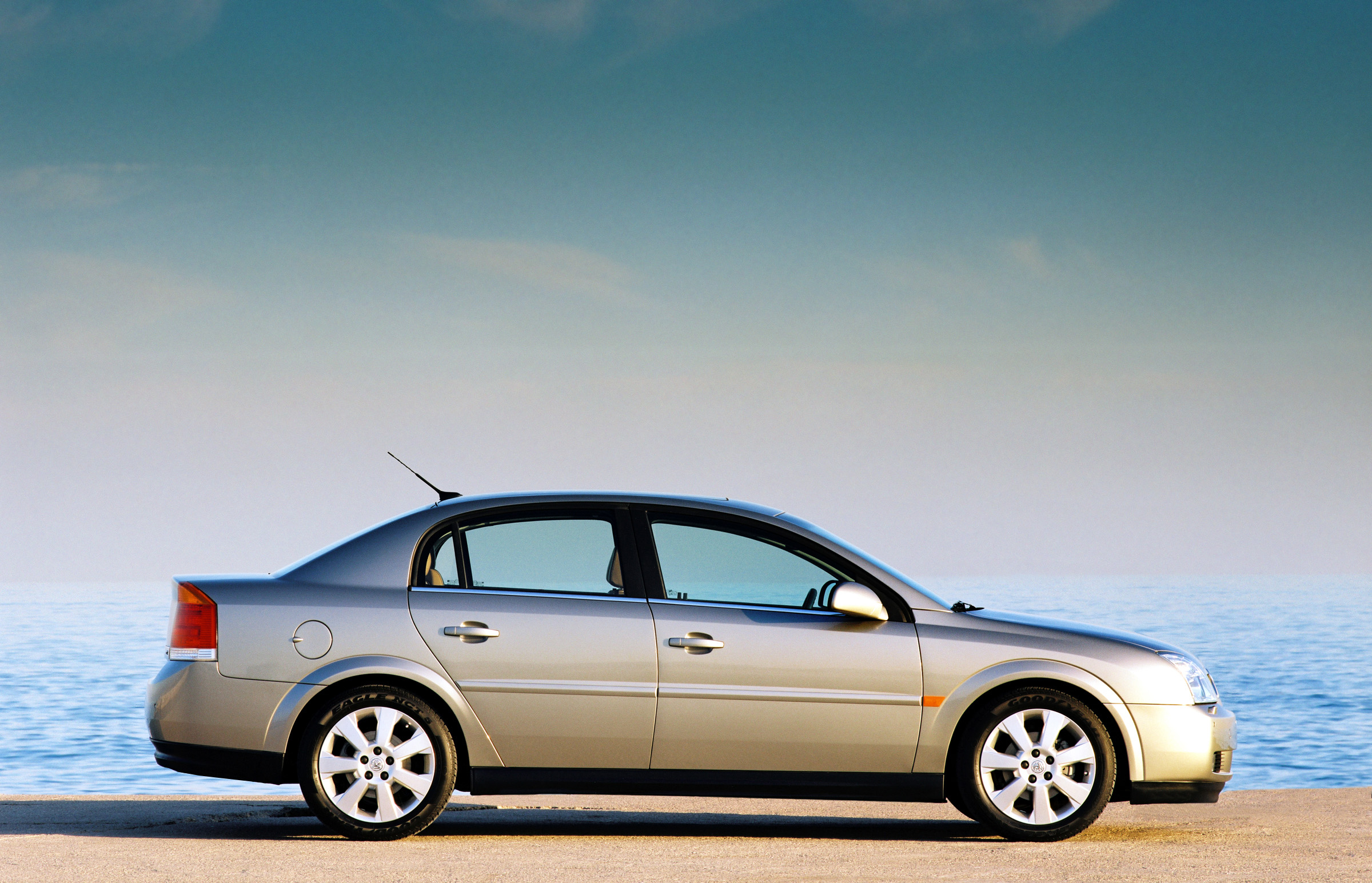
Vauxhall Astra Hatch — 2005 to 2015

Vauxhall Signum — 2005 to 2008

Vauxhall Astra Van (Astravan) — 2006 to 2013

Vauxhall Astra Twin Top (TwinTop) — 2006 to 2015

A Note on Those Model Years (and the Separate ‘KBM’ Recall)
Published model-year ranges differ between Vauxhall’s recall table and some other guidance. Model and year are only a starting point: use the VIN checker to establish whether a particular vehicle is affected.
Furthermore, Vauxhall is running a parallel, ongoing Takata recall known as KBM, which covers newer models built up to 2018 (such as the Cascada, Meriva B, Mokka, Zafira C, and sixth-generation Astra J). Crucially, KBM vehicles are not under the Stop-Drive order, though their owners are still urged to book a free recall replacement as soon as possible.
How to Check Your Car in Two Minutes
Finding your car’s model name on the list above is a prompt to check, not proof of guilt. Car factories source components from multiple suppliers across a single production year, meaning one 2007 Astra may be affected while the car built three places behind it on the line is completely clear.
Equally, never assume your car is safe just because it sailed through its MOT last month. An MOT tester checks that the dashboard SRS light illuminates and goes out; they cannot inspect the chemical condition of the propellant sealed inside your steering wheel.
1. Find your VIN: Look on your V5C registration logbook, at the base of the windscreen on the passenger side, or on the driver’s door-shut plate for the unique 17-character Vehicle Identification Number (usually starting W0L0… on GM-era Vauxhalls).
2. Run the Official VIN Check: Head to Vauxhall’s Takata recall page (vauxhall.co.uk/owners/maintenance-and-repair/takata-airbag-recall.html) and type in the 17 characters. You can also check your registration number on the government’s portal (gov.uk/check-vehicle-recall), though Vauxhall’s own VIN tool is the decisive way to see whether your car falls under the KU3 Stop-Drive or the standard KBM campaign.
3. Use the Helpline: If you prefer speaking to a human being, or if you have received a recall letter for a car you sold years ago, call Vauxhall’s dedicated Recall Helpline on 0800 917 9285.
If you have moved house recently, make sure your address is updated on your V5C with the DVLA—and if you have just bought a used Vauxhall from this era, never assume the previous keeper dealt with the recall letters.
My Car Is Affected. How Do I Get It Fixed?
If the VIN checker confirms your vehicle is subject to the KU3 Stop-Drive, take it out of daily service immediately. Tell anyone else in the household who shares the car not to drive it, and do not under any circumstances attempt to disconnect, remove, or tamper with the airbag module yourself.
What about getting the car to the dealership? While general government guidance warns against driving vehicles with serious defects, Stellantis UK—with the awareness and backing of the DVSA—states a specific exception: owners are permitted, at their discretion, to drive the vehicle on a direct journey, without stops, to a pre-booked recall appointment at an authorised repairer, provided the car can otherwise be driven lawfully (meaning it is taxed, insured, MOT’d, and mechanically roadworthy).
Always speak to the authorised Vauxhall repairer or the recall helpline before setting off. If your car cannot lawfully be driven or you have specific mobility requirements, Stellantis has set up alternative repair and mobility options—including pop-up repair clinics across the country—to get the airbag swapped. As with any manufacturer safety recall, both the parts and the labour are entirely free of charge.
The Verdict on That ‘£2,500 Fine’
Finally, let’s dispense with the tabloid scaremongering. Receiving a recall letter does not trigger an automatic £2,500 fine from the DVSA.
The penalty quoted in the headlines comes from Section 40A of the Road Traffic Act 1988, which covers the offence of using a vehicle on a road when its condition involves a danger of injury to any person. That offence carries a maximum fine of £2,500, three penalty points, and a discretionary driving ban. Whether continuing to use a car after being notified of a Stop-Drive defect crosses that legal line depends on the facts of the case and police enforcement.
In the real world, there are two far more pressing reasons not to ignore the letter. The first is your insurance: motor insurers require you to keep your vehicle in a safe, roadworthy condition, and deliberately ignoring a manufacturer Stop-Drive order could severely complicate an insurance claim if you are involved in a collision.
The second reason is much simpler. When an old car starts, steers, and stops exactly as it always has, it takes a conscious effort to treat it as broken. With an ageing airbag inflator, everyday normality tells you nothing about how it will behave in the millisecond you actually need it. Check the 17 digits at the bottom of your windscreen today, make the call, and let a Vauxhall technician fit a fresh module for free.
Check your vehicle: Vauxhall Takata airbag recall and VIN checker · GOV.UK vehicle recall checker


Leave a Reply
You must be logged in to post a comment.