

About The Author
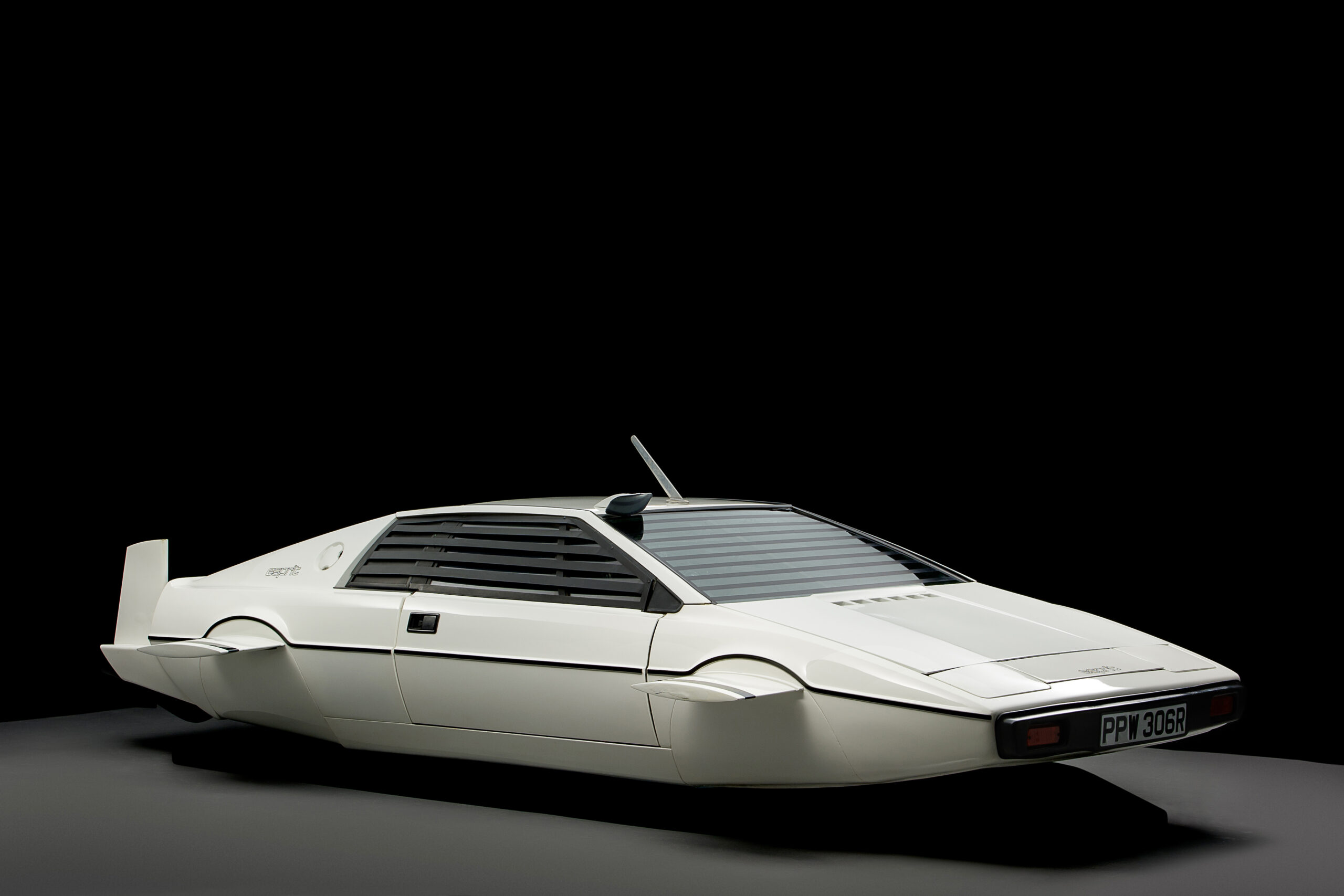
Everyone remembers the white Series 1 diving off a Sardinian jetty for Roger Moore. Yet the real miracle of the Lotus Esprit happened years before Q Branch got hold of one: turning Giorgetto Giugiaro’s razor-sharp 1972 concept into a living, breathing four-cylinder giant-killer at Hethel.
Blame Roger Moore, a Sardinian jetty and a canister of underwater cement. For almost half a century, mention the words Lotus Esprit in polite company and nine out of ten people will immediately picture a white wedge tucking its wheels into its arches, sprouting hydroplanes, and gliding past startled Mediterranean fish.
It remains one of cinema’s great visual gags. Yet the enduring myth of “the Bond Lotus” has a habit of putting the historical cart before the horse. The Spy Who Loved Me did not invent the Esprit, nor did a Pinewood Studios art department sketch its silhouette.

Long before a special-effects crew ever bolted a propeller to the back of a glassfibre bodyshell, Giorgetto Giugiaro and a small team of Norfolk engineers had already pulled off a feat far tougher than making a movie prop swim: they took one of the boldest pure wedge concepts of the 1970s and put it into series production with its drama virtually intact.
November 1972: Folded Paper in Turin
To find the true genesis of the Esprit, you have to leave the Bahamas and Sardinia behind and head to the Turin Motor Show in November 1972.
Up to that point, Lotus’s road cars—the dainty Elan, the sculptural Type 14 Elite, even the low-slung, breadvan-backed Europa—had been defined by organic curves born in the slipstream of 1960s aerodynamics. Colin Chapman, however, had set his sights higher. He wanted Lotus to graduate from kit-car roots into a bona fide rival for Ferrari and Porsche, and he turned to the young maestro at Italdesign, Giorgetto Giugiaro.
On the Italdesign stand at Turin sat a silver, mid-engined coupe built in close collaboration with Hethel over a lengthened and heavily modified Europa Twin-Cam chassis. Internally, Lotus called it Project M70. Giugiaro was at the height of his “folded paper” phase, replacing voluptuous sixties fenders with taut, flat planes, a nose low enough to slice Parmesan, and a razor-edged shoulder line that ran unbroken from nose to tail.
Motor shows, of course, are graveyards for gorgeous promises. A concept car only has to survive the glare of the halogen spotlights and draw a crowd of photographers; it does not need to pass crash tests, keep its coolant below boiling point in an August traffic jam on the North Circular, or accommodate a six-foot driver’s elbows and a weekend bag.
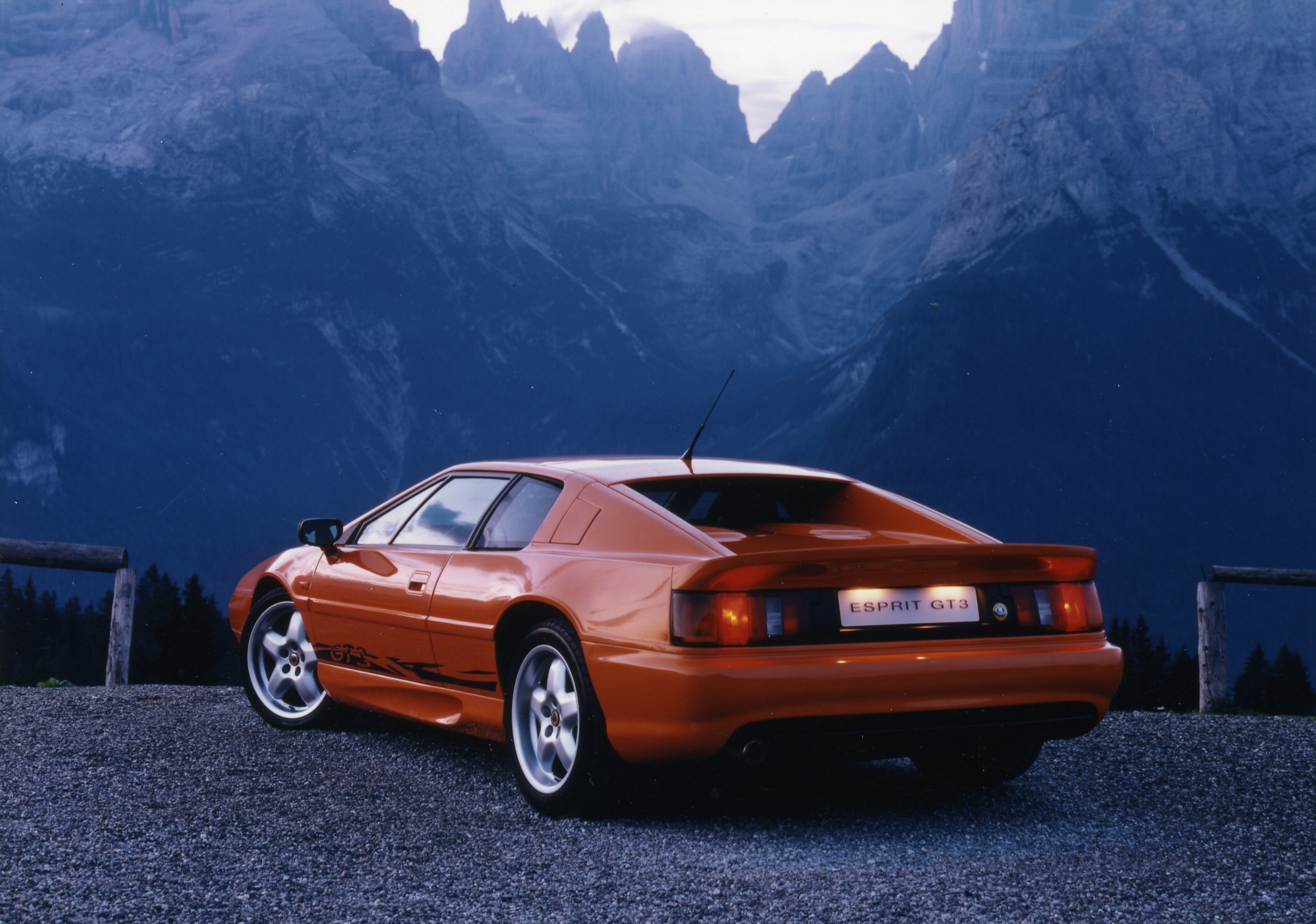
The quiet triumph of Project M70—soon christened Esprit—was that when the production car broke cover at the Paris Motor Show in October 1975 ahead of the first Series 1 customer cars leaving Hethel in 1976, it hadn’t been watered down into a sensible committee compromise. Park a 1976 Series 1 next to the 1972 Turin show car and the family likeness is unmistakable.
You might also like
 Nissan Qashqai at 20: how a Sunderland-built crossover changed the family carIn the mid-2000s, the default British family car was a five-door hatchback. Buyers weighed a Ford Focus against a Vauxhall Astra or a Volkswagen Golf and argued over the trim level. Then,…
 Goodwood, Tokyo Auto Salon and Pebble Beach: Three Very Different Ways to Celebrate CarsA hillclimb, a custom-car exhibition and a concours each tell a different story about what makes a vehicle special—and what enthusiasts should expect when they visit.
Packaging the Wedge: Why Four Cylinders Made Sense
Look closely at the proportions of an early Esprit and you begin to appreciate the headaches that lie beneath a minimalist wedge. Drawing a triangle on a sketchpad takes three seconds; engineering a road-going mid-engined sports car inside one takes years.
Mounting the engine amidships—tucked directly behind the driver’s bulkhead, inside the wheelbase—is the classic racing formula for low polar moment of inertia and agile direction changes. In a road car, however, it creates an immediate game of three-dimensional chess. The nose must dip sharply for styling drama while still housing pop-up headlamps, radiators, a spare wheel and a windscreen angle you can actually see out of. The doors must open wide enough in a tight garage to admit human beings wearing coats, and the rear deck must swallow an engine, a transaxle, a luggage bay and all the heat they generate without melting the fibreglass.
Lotus solved that puzzle the Lotus way: through compactness and lack of weight. While Italian rivals were stuffing unruly V8s and flat-twelves behind the seats, the 1976 Series 1 Esprit launched with Lotus’s own all-alloy, 16-valve twin-cam four-cylinder engine (the 2.0-litre Type 907).
Dismissing the early Esprit for having half a V8 misses the entire point of Hethel’s philosophy. A lighter, shorter engine meant a lighter, shorter wheelbase, uncorrupted steering feel, and a chassis balance that made heavy Continental exotics feel decidedly flat-footed down a bumpy British B-road. It looked like a Turin spaceship, yet it steered like a true Norfolk thoroughbred.
The Road Car, the Stunt Car, and the Submarine
Which brings us back to 007. By the time Eon Productions went hunting for a hero car for The Spy Who Loved Me, the Esprit had already completed its four-year journey from Turin concept to showroom reality. (In one of motoring PR’s smartest ambushes, Lotus press chief Don McClelland simply drove a pre-production Esprit to Pinewood Studios and parked it outside producer Cubby Broccoli’s office without saying a word; human curiosity did the rest.)

For enthusiasts and historians alike, keeping the film’s hardware straight makes the story richer rather than spoiling the magic. What audiences watch as one seamless chase across land and sea was actually stitched together using a fleet of completely different machines: road-going Series 1 cars for the mountain switchbacks, dedicated stunt shells for the transitions, and “Wet Nellie”—a bespoke, floodable submarine engineered by oceanographic specialists in Florida inside an Esprit bodyshell, piloted underwater by a former US Navy SEAL breathing from scuba tanks.
Standard Norfolk glassfibre is impressive stuff, then, but driving a road-going S1 off a pier will only result in a very soggy insurance claim. More importantly, the sequence only worked on screen because Giugiaro and Lotus had already done the heavy lifting: the showroom car looked so futuristic on tarmac that watching it sprout fins underwater barely required a suspension of disbelief.
Twenty-Seven Years of Evolution
Had the Esprit remained frozen in 1976 specification, it would still be remembered fondly as a seventies design icon. Instead, it embarked on one of the longest evolutionary arcs in sports-car history.
In 1980, Lotus answered every call for more straight-line punch by unveiling the Turbo Esprit, turning the wedge into a genuine 150 mph supercar contender. Seven years later, designer Peter Stevens softened Giugiaro’s origami edges into a more muscular, rounded silhouette for the late eighties, before Julian Thomson sharpened the lines once more in the nineties—an era that gave us both the giant-killing 2.0-litre Esprit GT3 and the ferocious 3.5-litre twin-turbo Esprit V8 (culminating in lightweight specials like the wing-toting Sport 350).
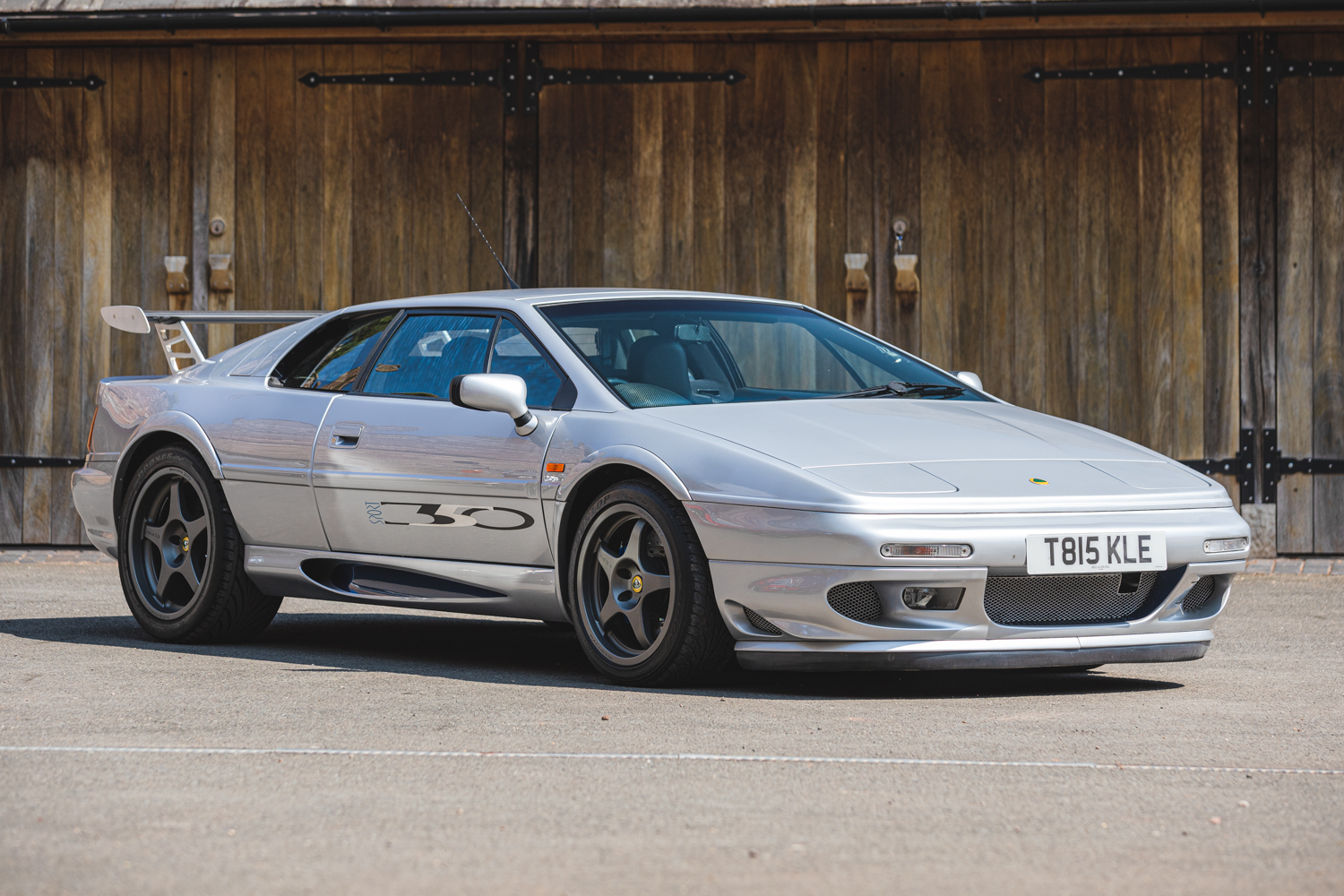
By the time the final Esprit left the Hethel production line in late 2003, the bloodline had spanned more than 27 years. That extraordinary longevity is a trap for the unwary: a 1976 Giugiaro S1, a 1981 dry-sump Turbo and a 1999 V8 share a badge and a basic layout, yet they are mechanically and visually worlds apart. Whenever you are assessing an Esprit in the metal—or in an archive photograph—registration dates and bolt-on wheels can deceive; only the chassis number and factory build records tell the full story.
The submarine prop will always get the tourist snapshots, and rightly so. But the greater achievement sits in the road cars that preceded and outlived it: an uncompromising Italian show-stopper that went to school in Norfolk, learned how to handle properly, and stayed at the top of its game for nearly three decades.



Leave a Reply
You must be logged in to post a comment.