
About The Author
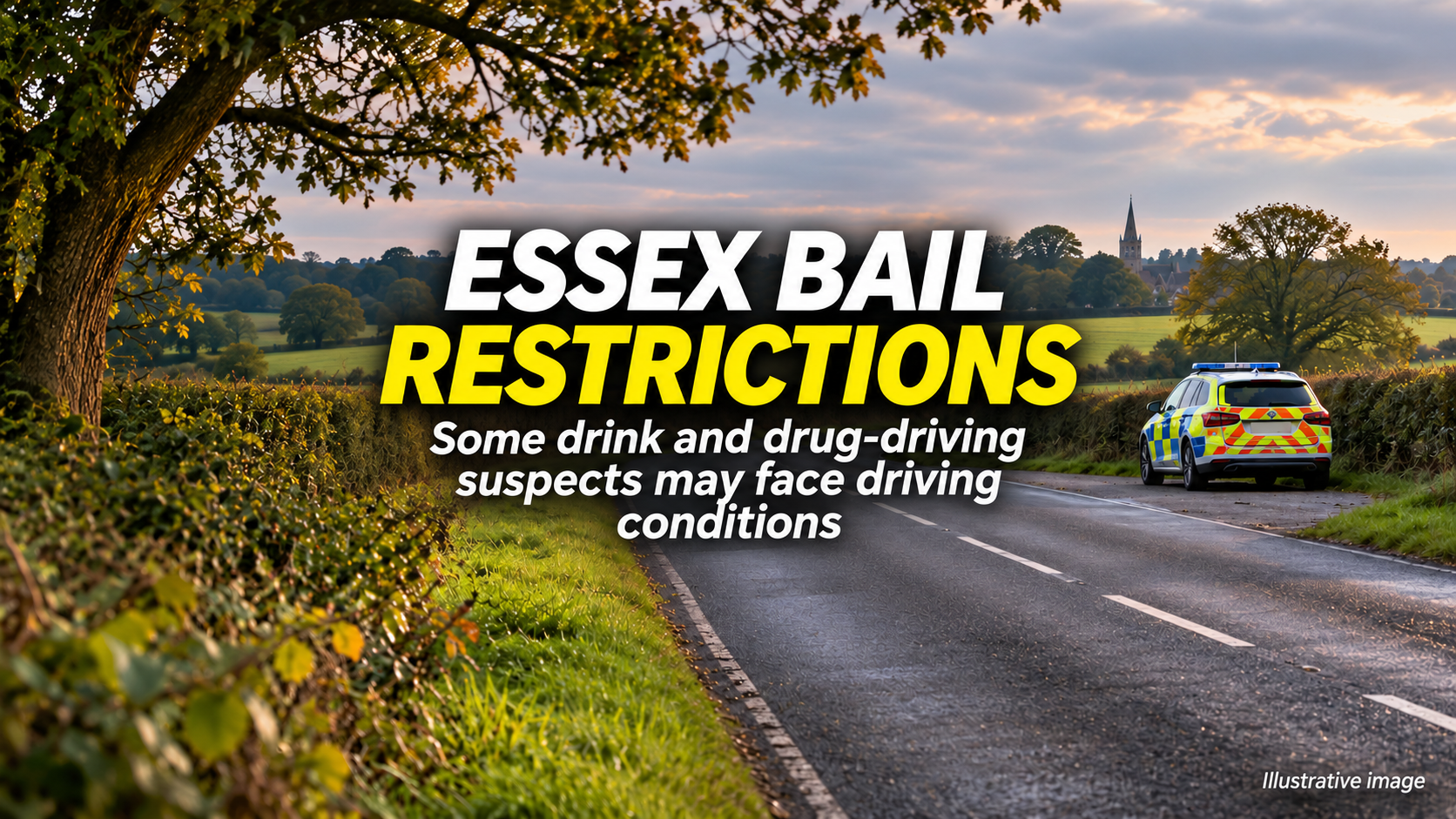
Essex Police has begun restricting some suspected drink and drug drivers from using a vehicle while investigations continue, under a pre-charge bail policy introduced in July 2026.
In an announcement on 12 November, the force said the condition can be considered when a suspect cannot be charged immediately and further enquiries are required—including while officers await the results of blood or urine tests. Where imposed, the restriction prohibits the suspect from driving a motor vehicle on a road or in a public place.
According to Essex Police, the measure is aimed at high-risk cases. Circumstances in which it may be considered include a serious-injury collision, an arrest for dangerous driving following a police pursuit, or cases where a suspect is already awaiting prosecution for another alleged drink or drug-driving offence.
The force said the decision to apply the restriction is made case by case by a custody sergeant after assessing the risks, and suspects are given the opportunity to make representations before a decision is reached.
Legal limits and arrest figures
A pre-charge bail condition is distinct from a court-ordered driving disqualification. An arrest or suspicion does not establish guilt, and the temporary restriction should not be confused with the police cancelling a driving licence. Under College of Policing guidance, pre-charge bail conditions must be necessary and proportionate to the risks identified, and their impact on the suspect should be taken into account.
Alongside details of the policy, Essex Police said its roads policing officers made 1,960 arrests on suspicion of drug driving and 886 on suspicion of drink driving between 1 January and 31 October 2026—figures previously reported by Dodgy Drivers.
Those totals record arrests rather than convictions, and they do not show how often the new bail restriction has been applied. Because Essex Police did not disclose in its 12 November announcement how many conditions have been imposed since July, the figures provided do not establish how widely the measure is being used or what effect it has had on further offending.

Leave a Reply
You must be logged in to post a comment.