
About The Author
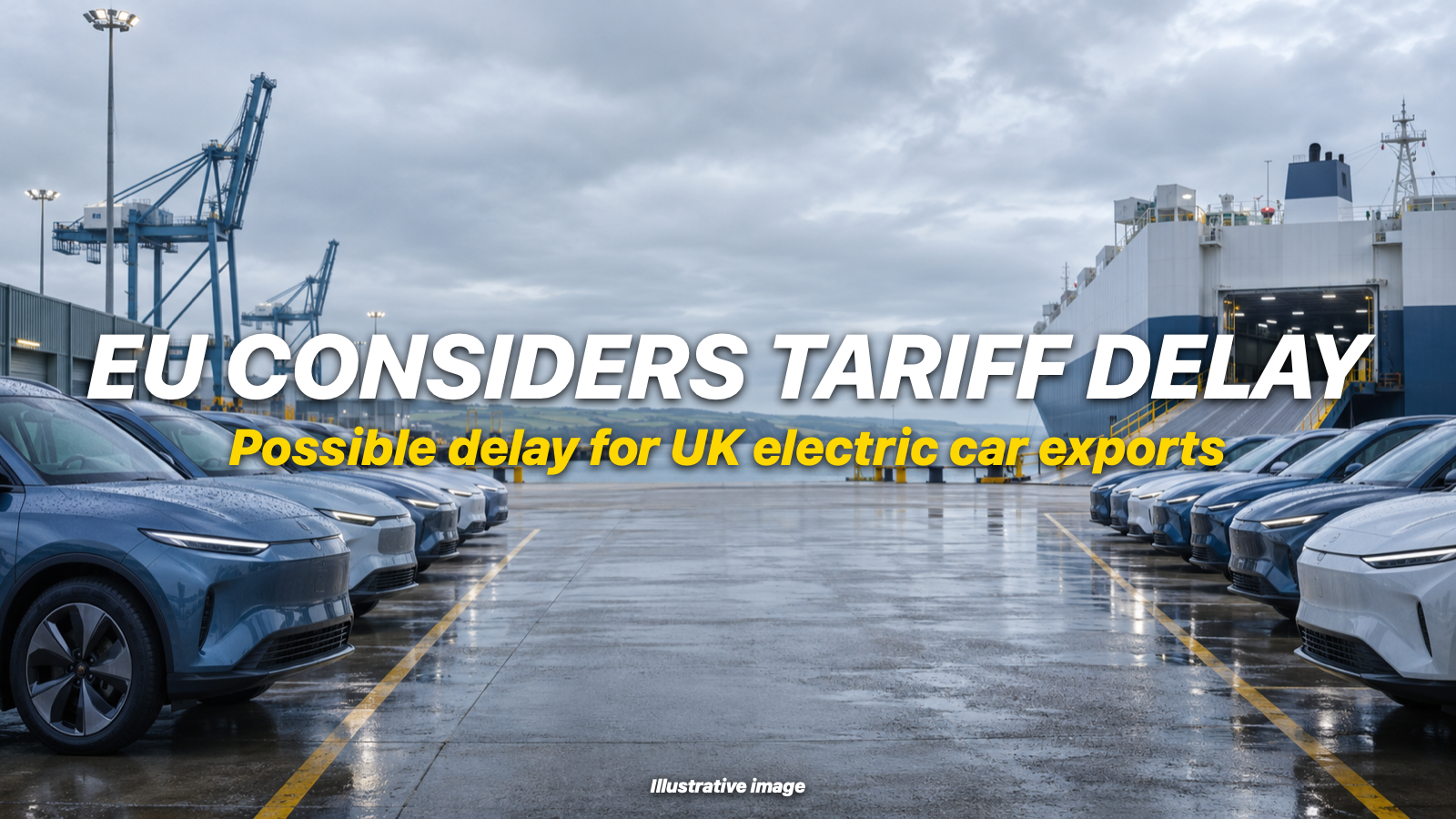
The European Union is reportedly considering a further delay to tougher post-Brexit origin rules that could expose some UK-built electric vehicles to a 10 per cent tariff when exported across the Channel.
According to a Reuters report on 12 November 2026, the Financial Times cited people familiar with discussions about postponing the tighter rules, which are scheduled to take effect in January 2027.
However, a reported discussion does not amount to a binding agreement. Reuters noted that it could not independently verify the original report at that stage, and that neither the European Commission nor the UK government had immediately provided a response. No formal legal proposal, official European Commission announcement or enacted EU-UK extension has yet been confirmed.
Why batteries complicate post-Brexit trade rules
Under the UK and EU’s post-Brexit trading arrangements, motor vehicles and batteries are subject to rules of origin designed to ensure a product contains enough qualifying regional content to receive preferential zero-tariff access.
Battery supply chains complicate compliance with those thresholds, because an electric vehicle assembled in Britain can still contain expensive battery cells or modules sourced from outside the UK and EU.
The origin rules have already been subject to an agreed delay, with a further tightening due in January 2027. The reported proposal would adjust the timing of those requirements rather than permanently abolish tariffs on electric vehicles, and it would have no bearing on the UK’s domestic zero-emission vehicle rules or road-tax system.
What is at stake for carmakers and buyers
Manufacturers selling vehicles between the UK and European markets plan their production schedules and component sourcing years in advance. Britain is a significant market and manufacturing base for electric cars, while European factories similarly rely on British buyers.
Earlier in 2026, the Society of Motor Manufacturers and Traders (SMMT) warned that the introduction of tariffs could prove expensive for manufacturers if a solution was not reached, though those projections represent industry estimates of future risk rather than charges already paid.
If a vehicle fails to meet the relevant origin thresholds when the rules tighten, its exporter faces additional tariff costs that may squeeze margins or influence retail prices—though any effect on consumer prices would depend on individual manufacturers’ commercial decisions rather than applying automatically.



Leave a Reply
You must be logged in to post a comment.