
About The Author
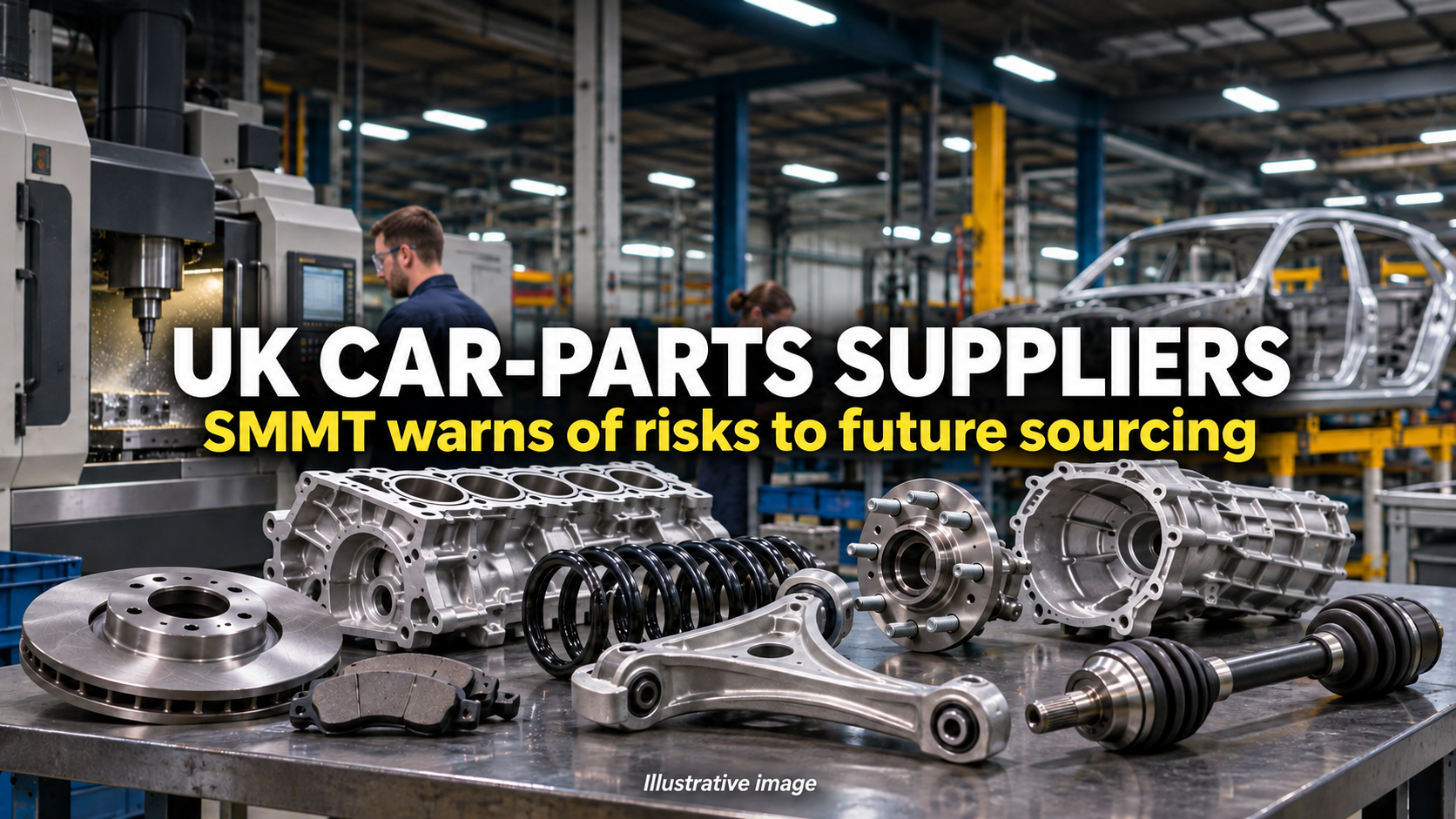
Struggling British car-parts suppliers risk going out of business before they can compete for future vehicle-production contracts, the Society of Motor Manufacturers and Traders (SMMT) has warned.
In a report published on 12 November 2026, the industry trade body argues that high operating costs, reduced vehicle production volumes and uncertainty over future model programmes are threatening essential domestic manufacturing capabilities.
According to the SMMT, vehicle manufacturers have identified £6.4 billion in potential annual spending on priority components by 2030 for which UK suppliers could compete.
However, that headline projection is neither a guarantee of immediate investment nor a promise of £6.4 billion in entirely new orders. Crucially, the total includes business that is already sourced within Britain, and any future contracts will depend on which models carmakers ultimately decide to build, their production volumes, and whether UK firms can compete on price and quality.
What the report examined
The SMMT study drew on aggregated sourcing submissions from participating vehicle manufacturers alongside interviews, consultations and workshops involving 26 component suppliers. Together, those 26 companies represent a combined turnover of £1.2 billion and employ 8,500 people—providing direct evidence of pressures within the supply chain, though not a complete census of every automotive supplier in the UK.
To help domestic firms bridge the gap until new vehicle programmes begin, the SMMT is calling for a £130 million “Productivity Accelerator” focused on capital grants, tooling finance, skills and business diversification, alongside broader measures to lower production costs and improve access to international markets. At present, that package remains an industry policy proposal rather than funding agreed by the government.
Why domestic component makers matter
British vehicle assembly relies on a complex network of tier-one and smaller specialist suppliers producing seats, dashboard modules, metal pressings, castings, interior trim and, increasingly, electrified powertrain components.
The SMMT argues that the pressures facing these businesses cut across the shift from internal combustion to battery-electric vehicles. While electric cars require new componentry, the wider supply base still depends on predictable order books, affordable energy, access to finance and viable production volumes. Smaller suppliers in particular can struggle to fund expensive new tooling while current factory output remains subdued.
Because specialist manufacturing equipment and skilled engineering workforces cannot be replaced overnight, the trade body warns that if domestic suppliers close before the next generation of vehicle contracts is awarded, carmakers may be left with little choice but to source those parts from overseas—affecting regional engineering jobs, apprenticeships and the wider competitiveness of UK vehicle manufacturing.



Leave a Reply
You must be logged in to post a comment.